
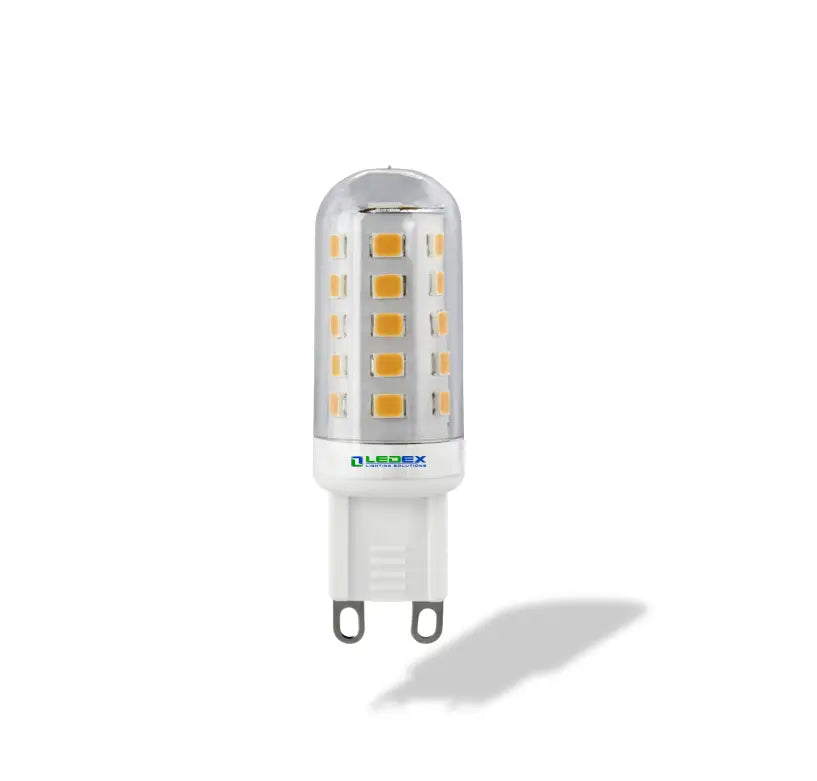
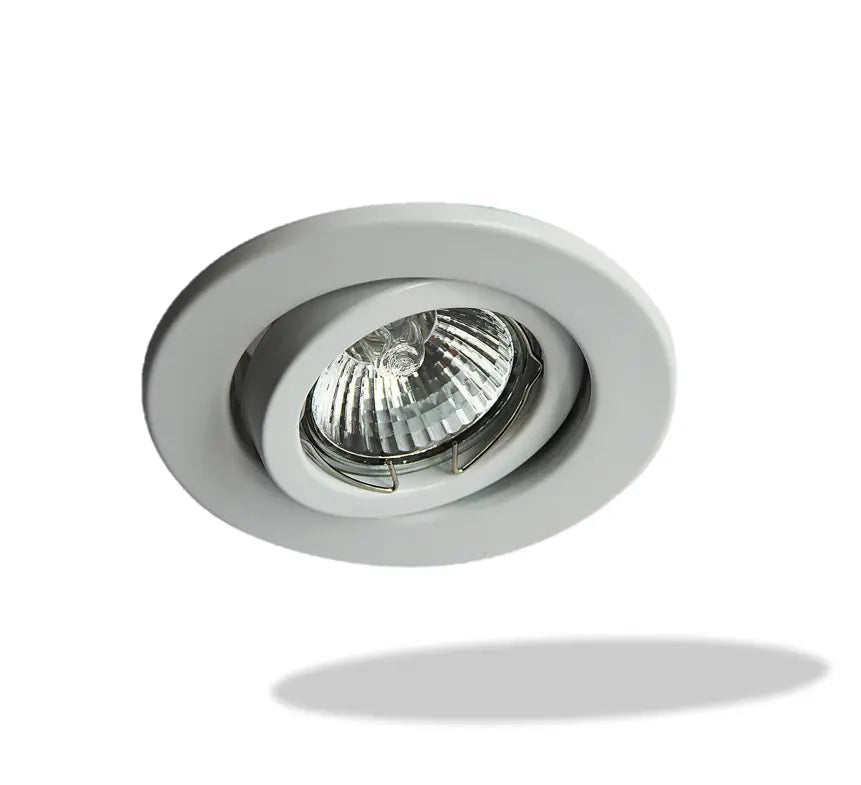


1. What are GU10 LED bulbs used for?
GU10 LED bulbs are widely used for spotlights, recessed ceiling fittings, and track lighting. Their compact size and twist-and-lock base make them ideal for kitchens, bathrooms, hallways, retail spaces, and display areas where directional light is required. They are a direct replacement for traditional halogen GU10 lamps, offering high brightness with lower energy consumption and longer lifespan.
2. How to install GU10 LED bulbs?
To install a GU10 LED bulb, first turn off the power to the fitting. Gently push the bulb into the socket, twist it clockwise until it locks in place, and then restore power. If replacing halogen bulbs, make sure the new LED version is compatible with any existing transformers or dimmers. The GU10 connection is standard, so installation is usually quick and tool-free.
3. How long do GU10 LED bulbs last?
High-quality GU10 LED bulbs typically last between 15,000 and 30,000 hours, depending on the brand and usage. This is significantly longer than halogen bulbs, which usually last around 2,000 hours. Their extended lifespan reduces replacement frequency and maintenance costs, making them a reliable choice for both residential and commercial lighting.
4. Are all GU10 LED bulbs the same size?
Yes, the GU10 LED bulb base is standardised, meaning all GU10 bulbs share the same cap dimensions (10 mm between pins). However, the shape and length of the bulb body can vary slightly depending on the design — for example, short-neck or long-neck versions. Always check the dimensions of both the bulb and the fitting, especially for recessed or enclosed spaces.
5. Can GU10 bulbs be dimmed?
Many GU10 LED bulbs are dimmable, but not all. To achieve smooth dimming without flicker, use a dimmable bulb together with an LED-compatible dimmer switch. If a non-LED dimmer is used, you may experience buzzing or unstable light output. Always check the packaging or product description to ensure dimming compatibility before purchase.