


How does LED track lighting work?
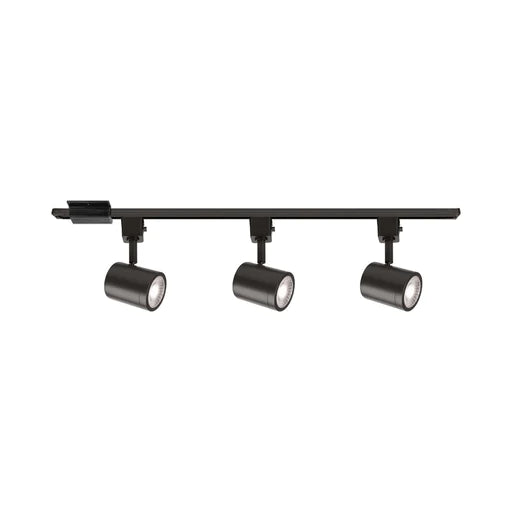
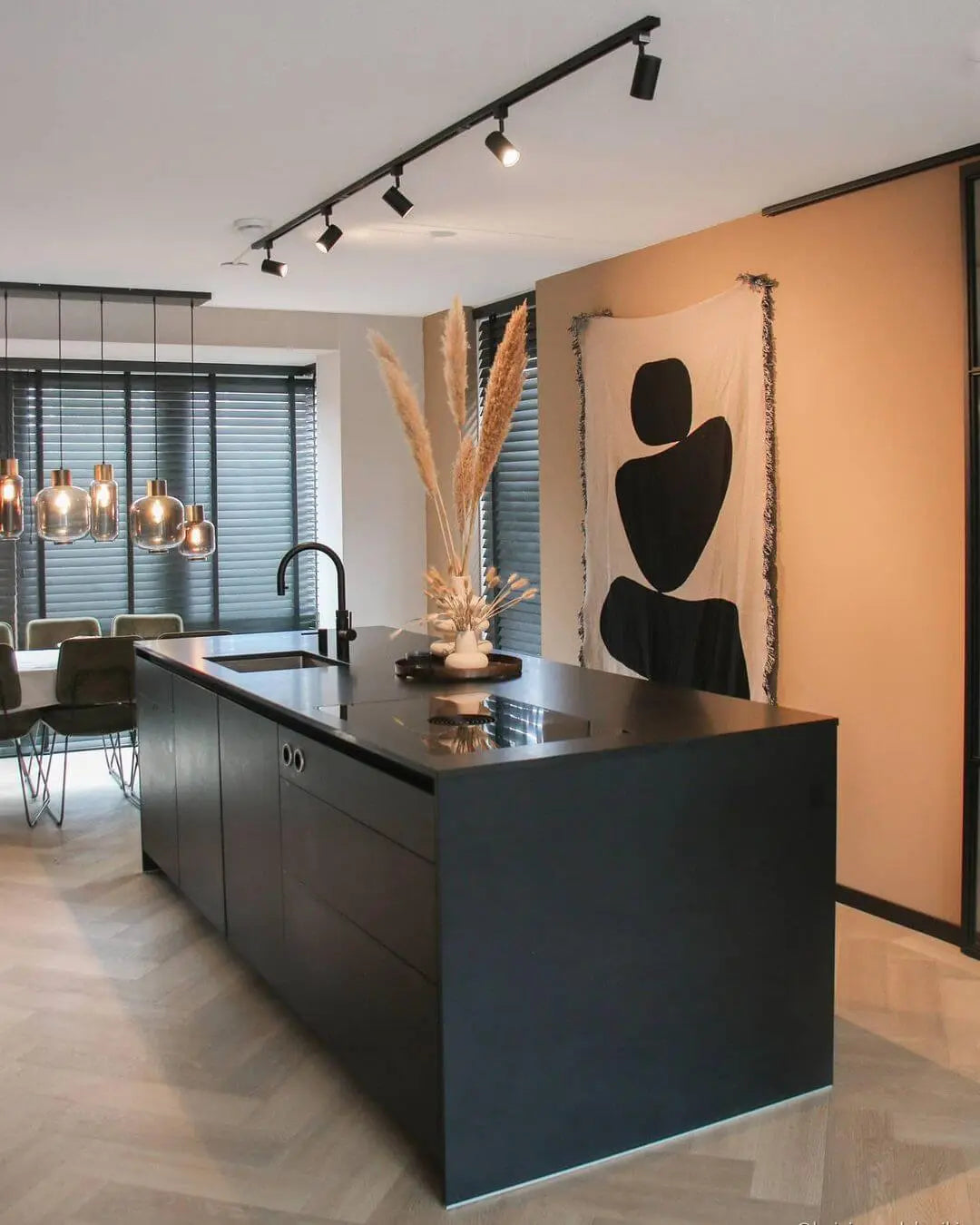
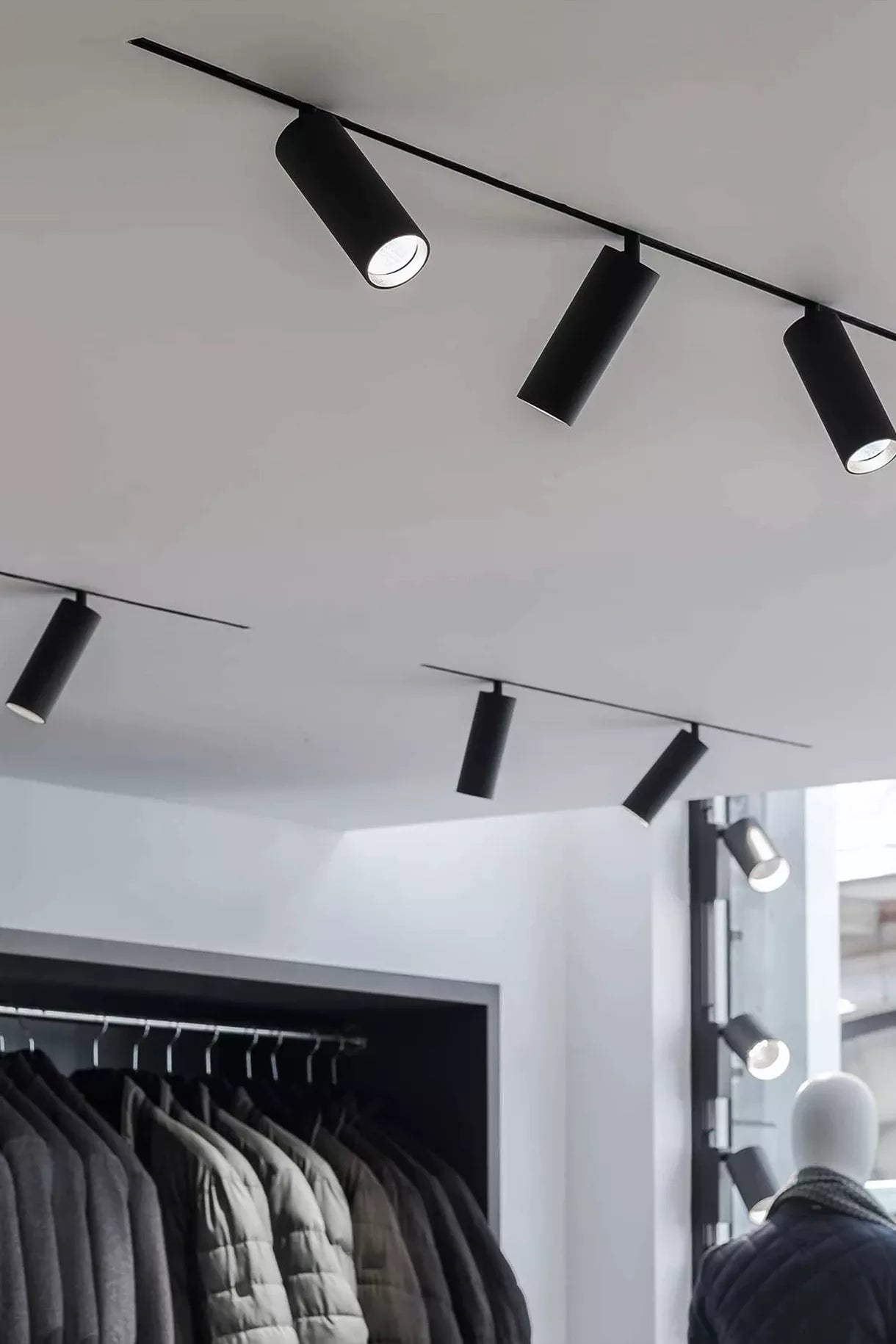
LED track lighting works by connecting multiple light heads (spotlights) to a continuous track that carries electricity. The track itself acts as both a mounting system and a power supply, allowing you to move, add, or adjust fixtures without new wiring. This makes it ideal for shops, galleries, or offices, where lighting layouts often change.
How long do LED track lights last?
High-quality LED track lights typically last 30,000–50,000 hours, depending on the chip and driver quality. That means 8–10 years of use in commercial environments and even longer in residential spaces. They also maintain brightness better than halogen or fluorescent track lights, reducing maintenance costs.
What is the difference between track lighting and rail lighting?
Both systems are similar, but:
- Track lighting uses a fixed, straight or angled track with standard fittings (single-phase or three-phase).
- Rail lighting often refers to more flexible or curved designs, sometimes with decorative rails instead of standard tracks.
In short: track = practical & modular; rail = more design flexibility.
Can you use LED lights in track lighting?
Yes. In fact, LED is the best option for track lighting today. LEDs provide energy efficiency, long lifespan, and low heat emission, making them safe for retail and residential use. Modern LED track lights are designed specifically to fit track systems (GU10 LED bulbs can also be used in older halogen-style fittings).
What is the big advantage of 3-phase track lighting?
The main advantage of 3-phase track lighting is that it allows you to control three separate lighting circuits on a single track. For example, in a retail store, one switch can power general lighting, another can highlight displays, and the third can light decorative zones. This flexibility is essential for professional commercial spaces where lighting needs vary throughout the day.